The Hidden Link Between Oral Health and Heart Disease
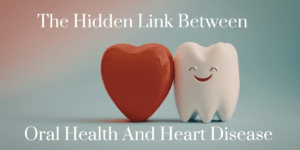
People often think oral health is separate from the rest of the body’s health. Brushing, flossing, and dental visits are often the best way to prevent cavities, bad breath, and tooth pain. But, people aren’t aware that the health of the mouth and the heart are interlinked. Much research decades ago has shown a close connection between gum disease and heart problems, including inflammation. Understanding it will help protect both oral and heart health.
Why Oral Health Is More Important Than You Think?
The mouth is the point that contains hundreds of different types of bacteria. Some are healthy while others are harmful—especially when they grow out of control. Specifically, poor oral hygiene can lead to bacteria multiplying and causing gum infections or tooth cavities. Such infections aren’t limited to mouth issues but, over time, can affect the entire body as they connect to the bloodstream, the immune system, and organ functions—such as the heart.
What Is Periodontal Disease?
It is a serious gum problem that starts as gingivitis. Periodontal disease causes redness, swollen and bleeding gums and if left untreated, can have a bad impact.
In periodontal disease:
- Gums pull away from the teeth
- Deep pockets form between the gums and teeth
- Bacteria grow deep below the gum line
- The bone and tissue supporting the teeth are damaged
Common Signs of Periodontal Disease
Some common signs of periodontal disease include:
- Bleeding gums when brushing or flossing
- Swollen or tender gums
- Bad breath that does not go away
- Loose teeth
- Receding gums
- Pain while chewing
How Periodontal Disease Causes Inflammation?
Periodontal disease is not just a common infection, but a chronic inflammatory condition. When bacteria build up in the gums, the body’s immune system reacts. Typically, white blood cells rush to fight the infection, and the resulting immune response triggers inflammation. This helps in short bursts—chronic inflammation, which is harmful because it stays active for longer, and the infection doesn’t heal naturally.
What Is Systemic Inflammation?
This means that inflammation affects the entire body, not just a specific area. When inflammation becomes chronic, it
- Damages blood vessels
- Disrupts normal immune function
- Increases the risk of chronic diseases
Periodontal disease is one of the silent sources behind systemic inflammation.
How Gum Bacteria Enter the Bloodstream?
Gums are rich in blood vessels, so when they become inflamed and damaged, bacteria can easily enter the bloodstream and travel to various parts of the body, including organs such as the heart.
This can happen during:
- Chewing food
- Brushing teeth
- Flossing
- Dental procedures
The Inflammatory Response and the Heart
Toxins and bacteria, when they travel through the bloodstream, irritate the lining of blood vessels. This causes;
- Plaque formation in arteries
- Makes blood vessels less flexible
- Increases clot formation
Understanding Atherosclerosis in Simple Terms
Typically, atherosclerosis is the buildup of plaque inside the arteries. It’s made of;
- Cholesterol
- Fat
- Calcium
- Inflammatory cells
Chronic inflammatory issues make plaque grow faster and lead to diseases like heart attacks or strokes.
Shared Risk Factors Between Gum Disease and Heart Disease
There are some risk factors behind—increasing risk of periodontal diseases and heart issues, including;
- Smoking
- Poor diet
- Diabetes
- Chronic stress
- Poor oral hygiene
Diabetes, Gums, and the Heart
Diabetes creates a dangerous cycle.
High blood sugar:
- Feeds harmful bacteria in the mouth
- Weakens gum tissue
- Increases inflammation
Many health studies show gum diseases contribute to high blood sugar levels, which eventually increases the risk of heart disease.
Oral Health and Blood Pressure
A body with chronic, ongoing inflammation from gum disease can affect blood vessel function. Inflamed vessels narrow and lose elasticity, which increases blood pressure. Therefore, it develops a major risk factor for chronic heart problems.
Why Brushing Alone Is Not Enough?
Brushing regularly twice a day is recommended for improved oral health—it’s important, but not enough to prevent periodontal disease.
Bacteria easily hide:
- Below the gum line
- In hard-to-reach areas
- Inside plaque and tartar
Flossing and regular dental cleanings are necessary to control bacteria.
The Importance of Regular Dental Checkups
Regular dental check-ups are an early approach to detecting gum disease and other oral health issues before symptoms worsen. The early treatment:
- Reduces inflammation
- Prevents bacteria from spreading
- Protects both oral and heart health
Nutrition and Gum Inflammation
Your eating habits do affect your oral health. Taking diets high in sugar and processed foods worsen gum health. Eating nutrient-rich foods supports gum and heart health.
The Role of Stress in Oral and Heart Health
Stress raises cortisol levels.
High stress:
- Weakens immunity
- Increases inflammation
- Encourages unhealthy habits
Stress management supports gum, heart, and overall health.
Smoking and Oral-Heart Connection
Smoking:
- Reduces blood flow to the gums
- Masks early symptoms of gum disease
- Increases bacterial growth
Among the strongest risk factors, Smoking is associated with both periodontal disease and heart disease.
Can Treating Gum Disease Improve Heart Health?
Precisely treating periodontal disease reduces systemic inflammation.
While it does not replace heart treatments, better oral health:
- Lowers inflammatory burden
- Supports vascular health
- Improves overall wellness
Daily Habits That Protect Gums and Heart
Following the simple habits below will improve both gum and heart health.
- Brushing twice daily
- Flossing daily
- Regular dental visits
- Eating balanced meals
- Managing stress
- Avoiding tobacco
The Final Verdict: Oral Health Should Be Taken Seriously
In nutshell, oral health isn’t just about cosmesis but also holds medical relevance. Ignoring gum disease allows chronic inflammation to quietly impact the body over time. Periodontal disease contributes to chronic systemic inflammation that affects blood vessels, immunity, and heart function. Therefore, taking care of gums and improving oral health protects the heart and overall health in long run.
Home | Vkare | Fuschia | Physiovits | Dr.Snug