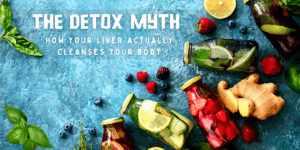
The Detox Myth: How Your Liver Actually Cleanses Your Body
In recent times, detox has been one of the most popular words included in teas, juices, diets, powders, and even supplements. People believe that the body is constantly filled with toxins and therefore the need for special products or cleansers to eliminate them.
The debate between truth and myth is never-ending. The human body has its own powerful detox system, and the main organ responsible for complete detoxification is the liver. It is important to understand how the liver actually works in body cleansing, which supports better health.
What Detox Really Means?
Detox is the process of removing harmful substances, or toxins, from the body. These include;
- Waste products from normal metabolism
- Chemicals from food, air, and water
- Medications
- Alcohol
- Hormones that are no longer needed
The body naturally detoxifies each day, so you may not need to follow extreme diets, starvation, or expensive products to support it. The liver works silently, efficiently, and continuously.
Why Liver Is the Body’s Main Detox Organ?
The liver performs hundreds of functions, including detoxification. Whatever you eat, drink, breathe, and absorb passes through the liver if it is toxic to the body. The improper functioning of the liver builds up impurities quickly and makes the body unhealthy over time. So, the proper functioning of the liver is essential.
The Big Detox Myth
The biggest detox misconception is that toxins build up and need to be flushed out by using quick fixes.
Many detox products claim to:
- Clean liver
- Flush toxins
- Reset body
The reality check is that no juice, tea, or expensive detox supplement can replace the natural liver detoxification. Infact some detox processes can harm the body by causing dehydration, nutrient deficiencies, and stress.
How the Liver Actually Detoxifies the Body?
Typically, liver detox happens in two steps:
- Phase I detoxification
- Phase II detoxification
Both phases work simultaneously to ensure safe processing and removal of body toxins.
Phase I Liver Detoxification: Breaking Toxins Down
Phase I is the first step in liver detox.
In the liver, harmful substances are taken in and a simple breakdown process starts using special detox enzymes.
What Happens in Phase I
During Phase I:
- Toxins are chemically changed
- Alcohol, drugs, and chemicals are processed
- Fat-soluble toxins are converted into more reactive forms
Phase I detoxification makes it easier to remove toxins from the body, but it also produces intermediate substances that may be more irritating if not handled properly.
Why Phase I Alone Is Not Enough?
Both phases have their own roles and importance; if phase I works faster than phase II, it can temporarily build up the reactive form. This can cause symptoms such as;
- Headaches
- Fatigue
- Nausea
- Brain fog
- Skin issues
Phase II Liver Detoxification: Making Toxins Safe to Remove
Phase II is the second live detoxification process and the most crucial step.
In the liver, it takes the broken-down toxins from Phase I and processes them further while attaching them to other molecules. It makes the detox process less harmful and more water-soluble.
Once toxins are water-soluble, they can be safely removed from the body through:
- Urine
- Stool
- Sweat
How Phase II Protects the Body?
Phase II liver detoxification prevents toxins from damaging the cells and membranes of the organs.
Phase II ensures that toxins :
- Don’t circulate in the bloodstream
- Don’t get stored in fat tissue
- Don’t cause inflammation
Without proper Phase II functioning, the process of body detoxification is incomplete.
Why Detox Products Often Fail?
People nowadays believe that detox products available in the market claim to boost detox, but are just a marketing gimmick, which can make things worse, not better. Some issues with detox products may include;
- Stimulate Phase I without supporting Phase II
- Cause body dehydration
- Lack in essential nutrients
- High stress on the liver
The Role of Nutrition in Liver Detox
Food plays a vital role in health, and when it comes to the body’s detoxification, proper nutrients matter. Mostly, people link detoxification with detox teas, juices, expensive supplements & products. However some nutrients have benefits in real for phase I and phase II, which don’t harm the natural body detox functioning.
Nutrients Needed for Phase I Detox
Phase I depends on enzymes that require nutrients such as:
- B vitamins
- Iron
- Magnesium
- Protein
However, insufficient protein and micronutrients can impair phase I functioning.
Nutrients Needed for Phase II Detox
Phase II needs different nutrients to attach toxins and make them safe.
These include:
- Protein
- Sulfur-containing foods
- Antioxidants
Foods that support Phase II include:
- Eggs
- Garlic
- Onions
- Cruciferous vegetables
- Lentils
- Beans
It reflects the fact that proper nutrients and balanced meals support detox effectively than drinks.
Why Starvation Detoxes Are Harmful?
People think that detox plans with low calories or that are primarily liquid-only can be helpful but these infact
- Reduce protein intake
- Slow Phase II detox
- Cause muscle loss
- Increase stress hormones
Understand this: keeping the body starved for longer isn’t linked with body detoxification but weakens the liver’s functioning.
Hydration and Detox
Better detoxification is linked with improved hydration. Water is the universal solvent and essential for multiple body functions, including detoxification. It helps improve the flushing of toxins once the liver has processed them. However, water alone doesn’t always work; it simply supports the final elimination of impurities. Having enough water is essential for body detoxification but it can’t replace proper liver functioning.
Alcohol and Liver Detox
Alcohol consumption is the biggest problem for the liver and overall health. The presence of alcohol in the liver impairs its function and slows fat burning. It even impacts the process of toxin removal from the body. Therefore, zero to less alcohol intake supports natural liver detoxification.
The Gut and Liver Connection
The gut is the body’s second brain and is closely linked to liver function. A healthy gut helps in better liver detoxification as;
- Preventing toxins from entering the bloodstream
- Supporting stool elimination
People with poor bowel syndrome or constipation slow down the detox process of the body and leave toxins within. Eating a variety of fibre-rich foods improves gut and liver health.
Sleep and Liver Detox
Liver detox works best when you sleep.
During sleep:
- The body repairs itself
- Detox processes are more efficient
- Hormones stay balanced
A poor sleep cycle increases body inflammation and slows detoxification pathways.
Stress and Detoxification
Chronic stress raises cortisol levels.
High stress can:
- Slow liver detox
- Increase inflammation
- Deplete nutrients
To support liver health, relaxation and stress management have an indirect impact.
Signs Your Liver Needs Support (Not a Detox)
Some common signs include:
- Fatigue
- Brain fog
- Skin breakouts
- Poor digestion
- Hormonal imbalance
How to Support Liver Detox Naturally?
To support body detox functioning, the sustainable and straightforward key habits are:
- Eating balanced meals with enough protein
- Including vegetables daily
- Staying hydrated
- Reducing alcohol
- Sleeping well
- Managing stress
The Final Verdict:
Today, the detox myth has reached people’s minds badly, with broken bodies and unnatural fixes, but what’s important is to understand that detox isn’t a one-time event. There is no quick cleanse shortcut; instead, it involves replacing daily habits. The fact is, the body already knows its natural detoxification process and does it well every single day. Just adopting proper nutrition meals, sufficient rest, and enough care is all it takes to support the body’s detox system safely and effectively.
Home | Vkare | Fuschia | Physiovits | Dr.Snug