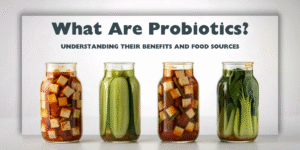
What Are Probiotics? Understanding Their Benefits and Food Sources
Recently, Probiotics aren’t only a part of health but one of the mainstream wellness essentials. From checking for supermarket shelves to health-related content online, the term probiotics is widely recognized within supplements, drinks, yogurts, and even skincare lines. Apart from this trend, it holds a deeper scientific value in improved digestion, metabolism, and immunity.
Let’s not let the blog fall behind on a few lines, but help you explore what exactly probiotics are, how they work, why they are so important, and foods rich in probiotics.
What Are Probiotics?
Typically, probiotics are live microorganisms, including beneficial bacteria and yeast. They are supportive of the body’s natural microbiome. The gut is home to trillions of microbes; some are healthy, and a few can be harmful. So, when it’s about the debate on good bacteria, it helps in digestive system functioning, supports immunity, and improves overall wellness.
Probiotics help maintain the natural balance in the body as good microbes help in fighting against harmful pathogens. Apart from that, it supports nutrient absorption and increases the production of essential compounds in the body, such as short-chain fatty acids. Probiotics do act as real helpers for the body, keeping the body’s internal systems functioning efficiently.
Why Are Probiotics Important?
The gut is the second brain in the body and an overall wellness reflector, which is far beyond the digestive system. Many health studies have found that the gut is interlinked with immunity, metabolism, mood regulation, and skin wellness. The poor dietary habits and improper intake of healthy foods can cause several health problems. Apart from food intake, sleeping habits, unhealthy regimen, and lifestyle factors also play a crucial role in gut health and disrupted microbial balance. In contrast, it is also responsible for bloating, poor immunity, skin barrier breakouts, and fatigue.
Probiotics support these disruptions in the body with beneficial microbes and support gut resilience. It acts as a natural defence system, improving harmony within the digestive ecosystem of the body.
Key Benefits of Probiotics
Improved Digestive Health
This is one of the most well-known benefits of probiotics that support digestive functioning. Taking probiotics also helps in the easy breakdown of food and lowers the abdominal issues such as gas, acidity, and bloating. An individual with irregular bowel movements or IBS, or who has mild digestive discomfort, can ease stomach discomfort with consistent probiotics intake.
Stronger Immunity
Understand this: almost 70 percent of the immune system resides within the gut. So, that means that gut health directly impacts your body’s wellness. If you take probiotics -rich food, it will definitely enhance the good bacteria level and stimulate immune cells. Therefore, support the body in stronger immunity to defend against viruses and harmful pathogens. A healthier gut makes the body better prepared to prevent unwanted particles from entering the bloodstream.
Better Nutrient Absorption
Probiotic support the body in better absorption of nutrients like Vitamin B12, folate, and iron effectively. An improved gut lining function helps in promoting digestion and ease in processing essential nutrients. Therefore, specific benefits people with nutrient deficiencies.
Enhanced Mental Well-being
Do you know gut and brain do communicate—it’s known as “gut-brain axis”. It happens when gut good bacteria are balanced and the brain gets positive signals. Therefore, support mood regulations. Probiotic play a crucial role as neurotransmitters such as serotonin, a happy hormone. A healthy gut is the key that indirectly supports reduced stress, improves mood, and boosts cognitive function.
Healthier Skin
A healthier gut leads to healthier skin. Yeah! That’s true. Skin conditions such as acne, eczema, and inflammation do occur when gut imbalances affect the secretion of good and bad bacteria. Therefore, taking probiotics helps in calming the internal inflammation, balancing gut bacteria, and supporting skin detoxification. All it does is make a better environment inside the body for improved skin health.
Support for Weight Management
Probiotics influence body weight, like how the body stores fat, processes glucose, and improves appetite. The balanced microbiome helps in stabilizing metabolism and lowers cravings. This also prevents inflammation issues. Many health studies have found that probiotics build a strong foundation for improved metabolic balance when adopted with a healthy lifestyle.
Natural Food Sources of Probiotics
Apart from probiotic supplements, nature has the best solutions to improve gut health. Integrating whole foods is quite a good choice for everyday improved probiotic. As fermentation naturally enriches foods with live bacteria, they make an excellent source.
Yogurt
It’s one of the most accessible probiotic -enriched foods well known to support digestion, immunity, and overall gut health.
Kefir
If you haven’t tried fermented milk—Kefir, then go for it. It contains a diverse range of probiotic strains, which makes it potent. Kefir supports the digestive process and improves immunity.
Sauerkraut
Sauerkraut is fermented cabbage that is rich in probiotic. It also contains fibre and antioxidants. The cabbage dish is not only nutritious but also good for digestion and lowers inflammation.
Kimchi
Kimchi is a traditional Korean dish made by fermenting cabbage and radishes with spices. It’s one of the best whole food probiotics with vitamins A, B, and C, along with antioxidants. Kimchi truly benefits gut health and boosts immunity.
Kombucha
That’s a fizzy fermented tea beverage rich in natural probiotic content and detoxifying properties. Kombucha helps aid digestion, liver function, and overall gut health.
Miso
That’s a stable dish in Japanese cuisine. Miso is fermented soybeans with salt and koji. People take Miso soup to soothe digestion and gut health.
Tempeh
Tempeh is a traditionally fermented soybean product that is firm in texture and nutty in flavour. Apart from its enriched probiotic properties, Tempeh is also an enriched plant-based protein source.
Pickles (Naturally Fermented)
Understand this—not all pickles are rich in probiotic, but some of those naturally fermented are so. Those made without vinegar and that rely on salt brine for the fermenting process are best. Pickles support digestion and appetite.
Final Verdict
Taking probiotic is a healthy choice for improved digestion and gut wellness. It even supports immunity to enhance mood and support skin; probiotic play a critical role in balancing the body within. A healthier gut impacts the overall body’s health, inside out. So either as a supplement or by embracing probiotic-rich foods, the target is to experience long-term benefits, daily health, and vitality.
Home | Vkare | Fuschia | Physiovits | Dr.Snug